
Ports are the switching stations of global sea freight. Every shipment, container, barrel, and vehicle crossing an ocean relies on a coordinated portfolio of port services. This article aims to unpack what port services include, who delivers them, and which performance, compliance, pricing, and digital trends matter most when selecting a port or service provider.
Table of Content
- What Port Services Include
- Types Of Port Services And Operations
- The Whole Process of Port Call
- Choosing the Right Port and Service Providers
- Conclusion
- Frequently Asked Questions
What Port Services Include
Overview of Main Service Types
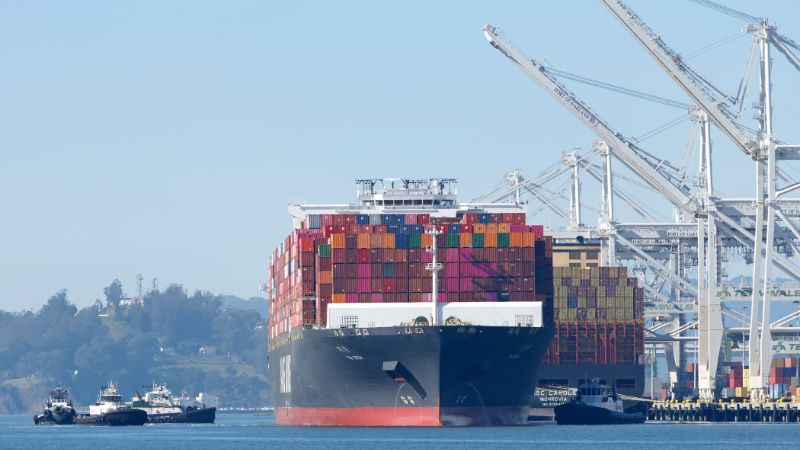
Port services can be generally allocated into four pillars: marine services, terminal operations, landside logistics, and ancillary support. To perform these services, many personnel and parties are involved in the different aspects of the process, and they will cooperate with port authorities to carry out their duties.
Vessel service:
- Pilots guide vessels for mooring and departure.
- Ship agents orchestrate port calls.
Cargo loading & unloading:
- Terminal operators run cranes, yards, and gates.
- Stevedores handle the loading and unloading of cargo.
Cargo transport:
- Truckers and railroads connect quays with inland.
Customs clearance:
- Customs and inspection agencies clear goods.
How Cargo Types Influence Port Service
There are also other factors that influence the types of service available, and cargo profile is one of them.
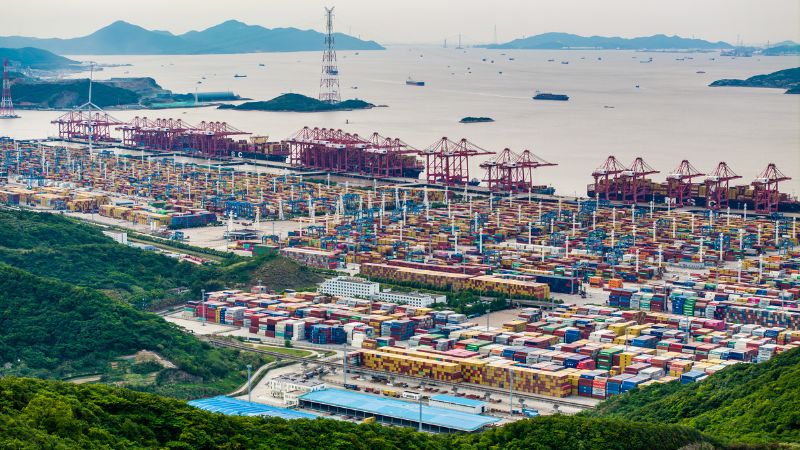
- Container ports emphasize quay crane productivity, yard capacity, and gate velocity.
- Dry bulk terminals focus on high‑throughput conveyors, loaders, and dust control for commodities like grains, coal, and ores.
- Liquid bulk terminals prioritize safety and environmental controls for chemicals and fuels.
- Break‑bulk and project cargo facilities invest in specialized lifting gear and storage flexibility.
- Ro‑Ro terminals hinge on marshalling yards and ramp efficiency for vehicles and heavy equipment.
How Trade Lanes Influence Port Service
Trade lanes also shape demand and scheduling. Asia–Europe and transpacific routes are the busiest ones, which drives container peaks, while harvest seasons regularly push the volumes of bulk agricultural products.
Although not completely universal, the North–South lanes that connect emerging markets and regions with high industrial production capacity indeed share certain traits: the vessels from developed countries commonly carry containerized cargo such as consumer goods, advanced machinery, and manufactured parts. On the return journeys, these vessels predominantly transport bulk commodities like raw materials and basics products, as well as empty containers for equipment repositioning.
These factors are the reasons why many ports anticipate these patterns and often provide a mix of different services accordingly.
Types Of Port Services And Operations
Marine Services
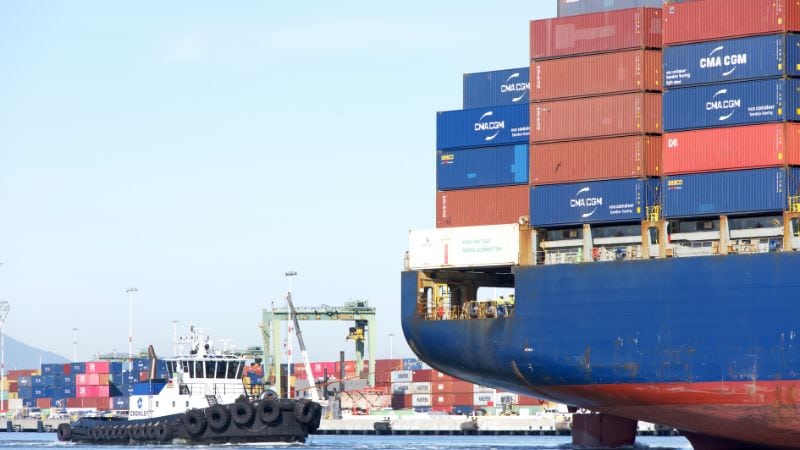
This service encompasses the procedures of moving a vessel in or out of the port. First, licensed experts on the bridge guide vessels through local channels, and tugboats provide towage for safe maneuvering, especially in narrow basins, strong currents, or high‑wind conditions. Then, the mooring teams secure ships to berth, adjusting lines for tides and drafts.
Together, these marine services ensure safety reduce navigational risk, protect infrastructure, and keep the port’s nautical chain on schedule.
Terminal Operations
Terminal operation is responsible for loading and unloading cargo (stevedoring), which is the core of the port service value chain.
For containers, the standardized metal boxes (TEUs/FEUs) that carry everything from consumer goods to manufacturing parts, key levers include quay crane moves per hour, yard strategy (stacking, wheeled, or hybrid), and appointment systems at the gate.
Bulk terminals handle loose, unpackaged cargo that is poured or scooped. They are split into dry bulk (grain, coal, ore, etc) and liquid bulk (oil, chemicals, etc) This means they prioritize conveyor capacity, shiploaders or unloaders, stockpile management, and contamination control for hazmat shipping.
Break‑bulk operations are for handling goods that are too large, heavy, or irregularly shaped, like forest products, steel coils, machinery, and project cargo. Therefore, they hinge on flexible lifting plans, lash/unlash expertise, and safe stowage for odd‑sized freight.
Ro‑Ro terminals are designed for wheeled cargo, where vehicles drive on and off the ship under their own power. This includes cars, trucks, construction equipment, and even trains, making them heavily rely on marshaling, ramp scheduling, and PDI (pre‑delivery inspection) areas for vehicles.
Labor planning, equipment availability, and weather contingencies all feed into the berth plan that determines how many hours a ship spends alongside. The best terminals match equipment to cargo profiles: tandem‑lift ship‑to‑shore cranes for dense box ships, mobile harbor cranes for mixed calls, and grab buckets or pneumatic systems for bulk.
Landside and Logistics
The role of inland water and road freight should not be underestimated because ports are just hubs, not destinations, and cargo needs to cover the last leg of its transportation to reach the customers. This calls for temporary storage (warehouse) and transport (drayage/intermodal transports).
Warehousing near terminals enables deconsolidation, labeling, cross‑docking, and value‑added services that shave days off inland distribution.
Drayage connects boxes and trailers to nearby distribution centers, which in turn reduces detention and demurrage risk.
Intermodal rail and inland barge extend the port’s reach, turning quayside efficiency into national or regional market access.
High quality ports coordinate slots with railroads, synchronize customs holds with yard locations, and share data across carriers and warehouses.
Ancillary Services
Ancillary offerings keep ships compliant and voyage‑ready. Bunkering, which stands for refueling, delivers conventional or alternative fuels (e.g., LNG, methanol, or VLSFO) with strict safety controls.
Repair and dry dock services address hull, engine, and systems maintenance: rapid-response workshops can keep a vessel on schedule after minor failures.
Waste reception handles waste streams, including oily residues, garbage, and sewage, while protecting local ecosystems. Ship chandlers supply provisions, spares, and deck stores.
When these services are predictable, carriers can consolidate work during a single call, improving schedules and lowering total voyage cost.
The Whole Process of Port Call
A “Port Call” refers to the scheduled stop of a ship at a specific port during its journey. It is an essential part of maritime operations, allowing ships to perform various operations. Combined with all the information in previous content, this chapter will demonstrate a detailed end-to-end workflow of a port call.
1. Pre‑Arrival Notices, Permits, and Customs
A well‑run port call begins days before the pilot steps aboard. Agents submit pre‑arrival notifications, crew lists, and dangerous goods declarations. After all the requests have been confirmed and passed, berth requests, tug orders, and draft confirmations are coordinated against tide tables and berth occupancy. It should be noted that timely submission of documents and early clarity avoid anchorage delays and enable just‑in‑time arrival, saving fuel and emissions.
2. Berthing, Cargo Handling, and Equipment Allocation
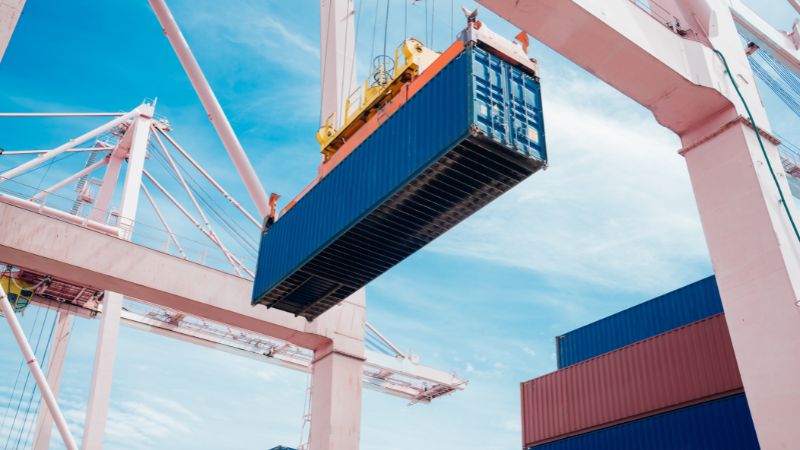
On arrival, VTS (Vessel Traffic Service) guides the ship to pilot boarding. Meanwhile, tugs and mooring crews help complete the berthing. After the vessels are moored at designated position, terminal control towers synchronize quay cranes, yard tractors, and reach stackers or straddle carriers. If the cargo comes in bulk, terminals would spin up conveyors, and if the goods are wheeled vehicles, ro‑ro ramps and marshalling yards will be in full operation.
Real‑time adjustments are common; weather shifts, labor availability, and customs holds all influence the plan. The objective is unwavering: maximize safe productivity without creating downstream bottlenecks.
3. Gate Operations, Inspections, and Inland Connections
The moment cargo arrives at the terminal, the priority becomes its efficient movement through the gate and onto its next mode of transport. This process is accelerated by technology such as Optical Character Recognition (OCR) and RFID for identification and non-intrusive inspection systems for security screening. Truck carriers, managed by appointment systems, then collect the containerized or break-bulk goods. The onward journey is determined by prior coordination, routing containers via dockside rail, near-dock barges, or inland ramps.
In this fast-paced environment, gate velocity and reliable cut-offs are paramount; they determine whether the supply chain runs smoothly or grinds to a halt over a weekend, accruing substantial detention fees.
4. Documentation, Fees, and Settlement
The documentation of port operations is as important as the physical operations. It includes electronic manifests, bills of lading, Verified Gross Mass (VGM) declarations, and customs entries, which are further complemented by a complex structure of port tariffs—covering everything from berth dues and wharfage to handling, storage, and demurrage. This intricate process requires a broad spectrum of knowledge regarding tariff laws, regional and national regulations, which is more suitable to be handled by the joint efforts with a freight forwarder rather than the shippers themselves.
Conclusion
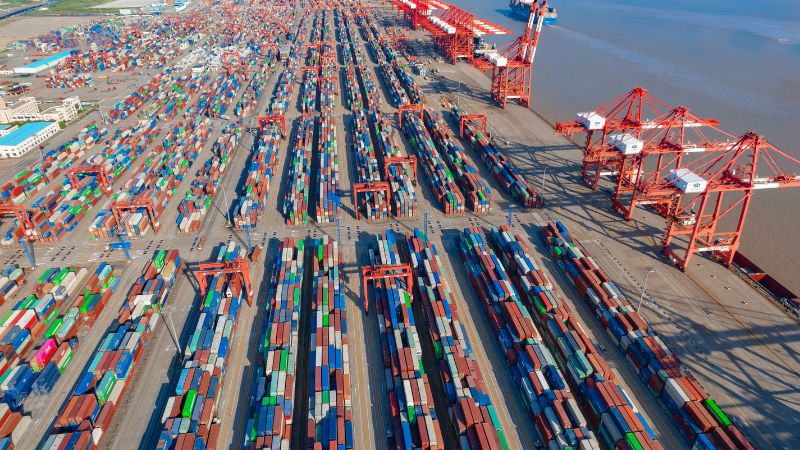
In essence, a port is a dynamic transport hub where coordination, technology, and infrastructure converge. As the demands on global supply chains continue to evolve, the ports will not only work as service providers but also connect the worldwide logistical chains.
For shippers, selecting an appropriate port is critical, which underscores the need to partner with a reliable local freight forwarder, one that has a thorough understanding of the port’s specific procedures and nuances.